Guides › New South Wales › Illawarra
Thirroul
Escarpment, an ocean pool and a buzzing main street, with trains to Sydney.
Why Thirroul
The escarpment rises behind a coastal village with a beach, local shops and an arts identity. Rail and an active centre give the dramatic setting practical residential substance, while the village remains distinct from a generic metropolitan service suburb.
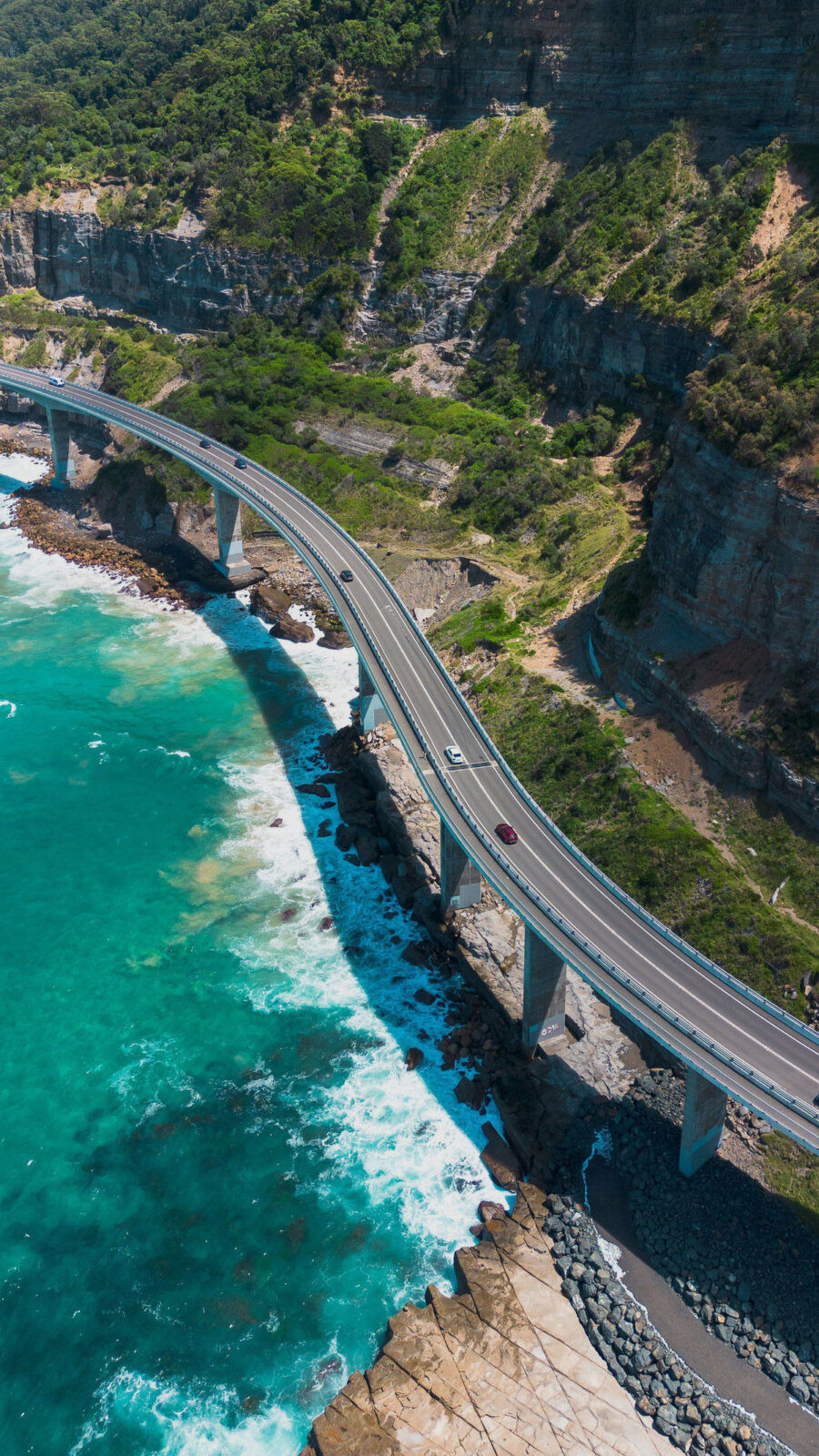
Sea Cliff Bridge, Coalcliff. Photo: Raunaq / Pexels

What’s on locally
The Local Calendar
Lovely weekends start here.
Markets, events and things to do near Thirroul — checked by The Postcode. Scroll the What’s on list just below.
What’s on
Out and about near Thirroul
Festivals, markets, shows and sport across the wider area, picked by The Postcode. Always check the official event page before you go.
Events coming soon
We’re putting together the local calendar and only list events we’ve checked with the organiser’s own page.
Got an event to share?
Add it to The Local Calendar — anyone can send one in. Every event is reviewed by The Postcode before it appears.
Thirroul is a seaside village in Wollongong's northern suburbs, between the Pacific Ocean and the Illawarra escarpment. Lawrence Hargrave Drive is the main street, the beach and saltwater pool sit just beyond the shops, and the South Coast railway runs through the village.
Sources: Wollongong City Libraries — Thirroul · official sites of the businesses named below
A cabbage-tree valley, a railway village, and a beach town that kept its main street
The suburb story
People love living in Thirroul because the daily round is compact: a main street of shops and cafés, a station a short walk away, and the beach and pool just beyond. The escarpment rises straight behind the village, a bush wall that holds the settlement between the hill and the sea. It is a place with a working past — coal, brickworks, railway yards — and a creative streak that still shows in the old cinema on Lawrence Hargrave Drive.
Wollongong City Libraries records the original inhabitants of Illawarra land as Aboriginal communities whose dialect is a variant of the Dharawal language, and notes that suburb boundaries do not reflect cultural boundaries. Before European settlement, Aboriginal people belonging to the Thurrural group moved through this area; the libraries' suburb history gives many spellings of the name, and a translation as "the place or valley of the cabbage tree palms". Cabbage tree palms were once plentiful here. In the 1870s, when settlement of the area began, all the country north of Wollongong was known as Bulli, and this village was called North Bulli. Early houses took the higher ground, because the lower beachside land was swampy and liable to flood when a high tide met heavy rain. The first land grant recorded on the parish map was to Samuel McAuley (later McCauley) on 1 June 1855; his farm ran from the beach to the railway line.
In February 1880 a meeting of residents adopted the name Robbinsville, after Frederick Robbins, who owned land here and later became the first postmaster, in 1888. Other suggested names, including Southend, Newtown and, flippantly, Mudmire, were set aside. The Department of Railways petitioned for Robbinsville to be changed to Thirroul, and that change was granted in 1891. Construction of the Illawarra railway had begun in 1882; the complete link from Sydney to Kiama opened in 1888, and the village became a popular family seaside holiday place, with boarding houses and cottages in demand, until coal mines and railway marshalling yards arrived and some of the holiday trade moved to neighbouring Austinmer. Coal was found in a creek off Ford's Road in 1895; John S. Kirton opened Excelsior No 1 in 1900, and Excelsior No 2 in 1905. Pit ponies were used underground until mechanisation in the 1950s; the mine closed in 1962. A brickworks, commonly called Thirroul Brickworks, began around 1920. Railway marshalling yards and a locomotive depot were established in 1917. The section of coast road from Bulli to the top of Bald Hill was later named Lawrence Hargrave Drive, after the aviator from Stanwell Park.
The village also made a mark on Australian letters. In 1922 the English writer D. H. Lawrence and his wife lived at Wyewurk, where he wrote the novel Kangaroo. On the main street, an open-air picture theatre with a canvas roof, King's Theatre, was built in 1912 by the postmaster, Mr T. Horan; a new King's Theatre opened in 1925. After years as a roller-skating rink from 1968, the building was bought and renovated by John Comelli, who renamed it Anita's Theatre after his late wife; Anita's opened in 2007 and hosts concerts and live performances. An Olympic pool opened in 1940 and was refurbished in 2005. Bulli Shire, proclaimed in 1906, was absorbed in 1947 into the City of Greater Wollongong. The high street is still the easiest way to understand the place: a railway village that faces the sea.
Story researched 11 November 2026. Sources: Wollongong City Libraries, Thirroul suburb history; and the official sites of the businesses named below.
Lifestyle
Life in Thirroul


Community · 2515
Join the Thirroul community
Moving here, or already a local? Connect with people nearby, find the groups that suit you, and get a warm welcome to the area.
- Connect with localsMeet neighbours and people like you.
- Local groupsSurf clubs, markets, runs and clubs, all in one place.
- New-to-the-area welcomeYour first month, sorted. See the guide.
01Living in Thirroul
Daily life gathers on Lawrence Hargrave Drive, lined with cafés, bakeries and restaurants. The station is a short walk away, and the beach and pool sit just beyond the shops. Anita's Theatre, in the former King's Theatre on the main street, is the village's live-music landmark. The escarpment, next to Bulli Pass Scenic Reserve, rises immediately behind the houses.
The bargain is the main-road traffic and the tightness of a village held between the hill and the sea. The reward is a walkable centre, a surf beach, and a place with a longer memory than its size suggests — coal and brickworks in the recent past, a railway since the 1880s, and a literary association that still draws visitors to Wyewurk.
02Beaches & parks
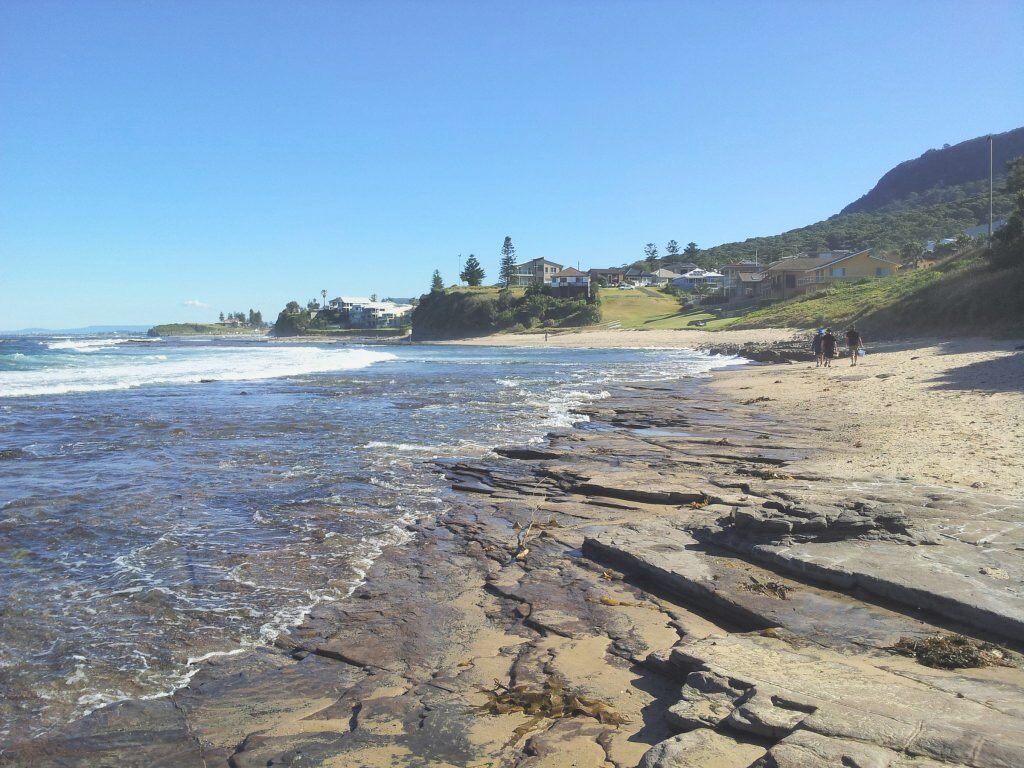
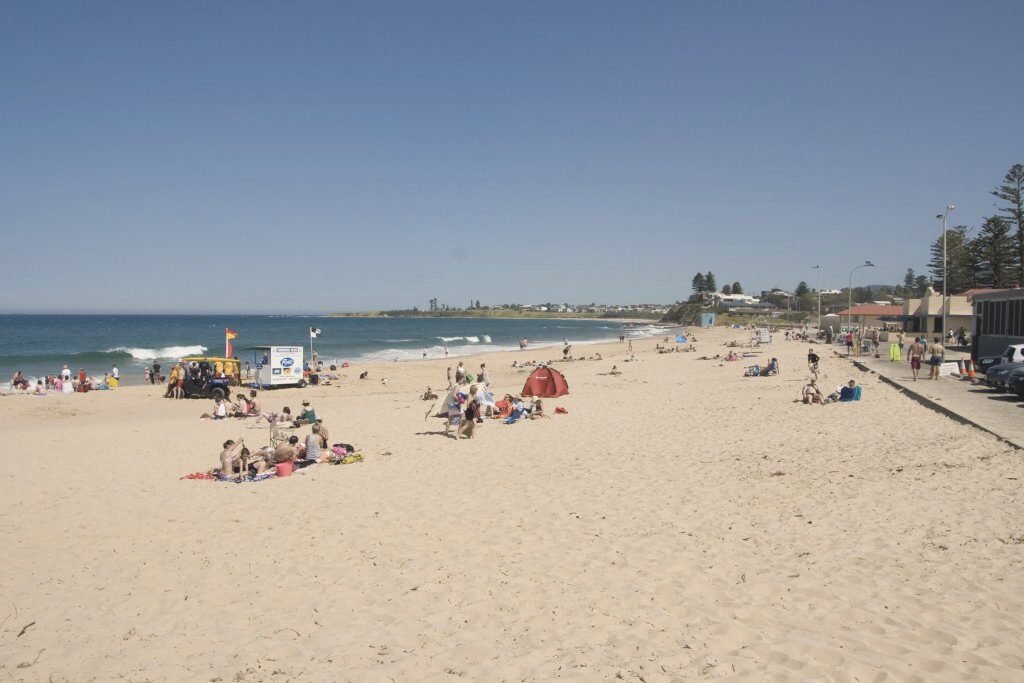
- Thirroul BeachA patrolled surf beach, with a beach reserve and playground behind it.
- Thirroul PoolA 50 m pool and a toddlers' pool on Bath Street, beside the beach. An Olympic pool opened here in 1940 and was refurbished in 2005.
- The escarpmentThe bush-covered Illawarra escarpment rises straight behind the village, next to Bulli Pass Scenic Reserve.
03Cafés & places to eat
Most of the useful addresses sit on Lawrence Hargrave Drive. Hours change, so check with each place before you go.
- Buck HamblinA café at 260 Lawrence Hargrave Drive, in a former shoe store opened by Albert "Buck" Hamblin in 1940; the shoe shop closed in 2000, and the building is now a café. Open Monday to Sunday 7am to 2pm; closed public holidays.
- South SailorA seafood restaurant and garden at 216–218 Lawrence Hargrave Drive, on a site locals still remember as Jim's Fish Café, with roots dating back to 1946. Dining Wednesday and Thursday from 5pm, Friday from 12pm, Saturday and Sunday from 11:30am; there is also an in-house sushi and poké bar.
- Andie'sA restaurant at 222–226 Lawrence Hargrave Drive. Wednesday to Friday 5pm to 10pm, Saturday 12pm to 10pm, Sunday 12pm to 5pm.
- Duck in HeavenChinese cooking at 303 Lawrence Hargrave Drive. Wednesday 5pm to 9:30pm, Thursday and Friday 5pm to 10pm, Saturday 12pm to 10pm, Sunday 12pm to 9:30pm; closed Monday and Tuesday.
- BóvedaA Mexican restaurant at 258 Lawrence Hargrave Drive. Official hours are Tuesday to Friday 5pm to 10pm, and Saturday 12pm until late. Sunday and Monday are not listed on the official contact page.
♥Locals Love
Eat
Breakfast and lunch overlooking the beach and ocean pool.
thirroulbeachpavilion.com.au ↗Shops & stores
04Schools
- Thirroul Public SchoolThe local public primary school, on Roxburgh Avenue.
- Bulli High SchoolPublic secondary, Years 7 to 12, in neighbouring Bulli.
- St Michael's Catholic Primary SchoolA Catholic primary on Station Street, Thirroul. Diocese school list
- The Illawarra Grammar SchoolAnglican independent school in Mangerton, Wollongong. School website
School intake areas change. Check any address on the NSW School Finder.
05Pools & swimming
Free saltwater pool on Bath Street, with lifeguards. Closed in winter.
wollongong.nsw.gov.au ↗Twin rock pools at the south end of Austinmer Beach, loved all year.
wollongong.nsw.gov.au ↗Hours and seasons change through the year, so check the official page before you go.
06Getting around
Thirroul station is on the South Coast Line, with trains north toward Sydney and south to Wollongong. Plan trips with the Transport for NSW Trip Planner.
The Illawarra railway link from Sydney to Kiama was completed in 1888, and the village took the official name Thirroul in 1891. The station sits close to the main shops.
Property · 2515
Homes for sale in Thirroul
Homes from every agency, side by side. Every home is labelled with its listing agency, and enquiries go straight to the agent.
No homes listed in Thirroul yet
Listings open soon. Every licensed agency is welcome to list here, on the same terms. Each home will link straight to its listing agent.
Community · People like you
Life in Thirroul, with the locals
Local clubs, groups & markets
- Thirroul Surf Life Saving ClubPatrols, Nippers and surf sports on Cliff Parade.
- Thirroul Seaside & Arts FestivalAn art show, kite day and festival in the park each March. Next edition: 19–21 March 2027.
- Bulli Village MarketSecond Sunday of the month, 9am to 2pm, at Bulli Showground.
Checked 19 October 2026. Times change: check with the organiser before you go.
Guide checked 19 October 2026. Places change: check opening hours before you go.